La Cattolica di Stilo & Calabria’s ‘Byzantine Valley’

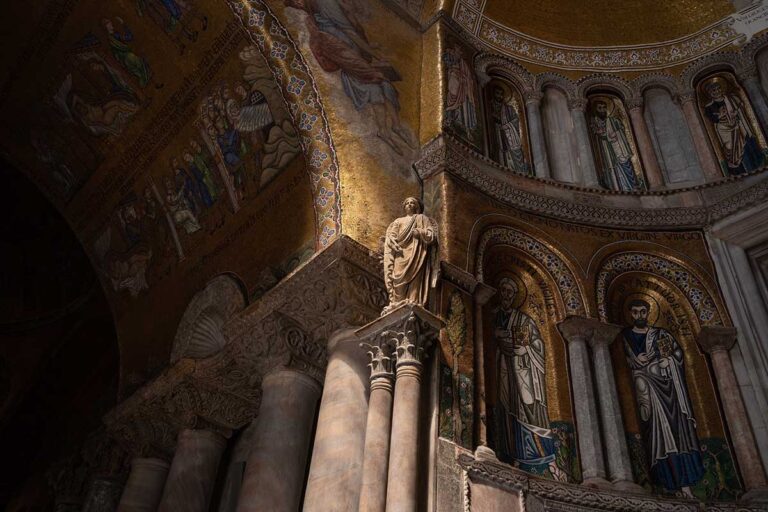
Frescoes inside La Cattolica di Stilo in Calabria's 'Byzantine Valley'

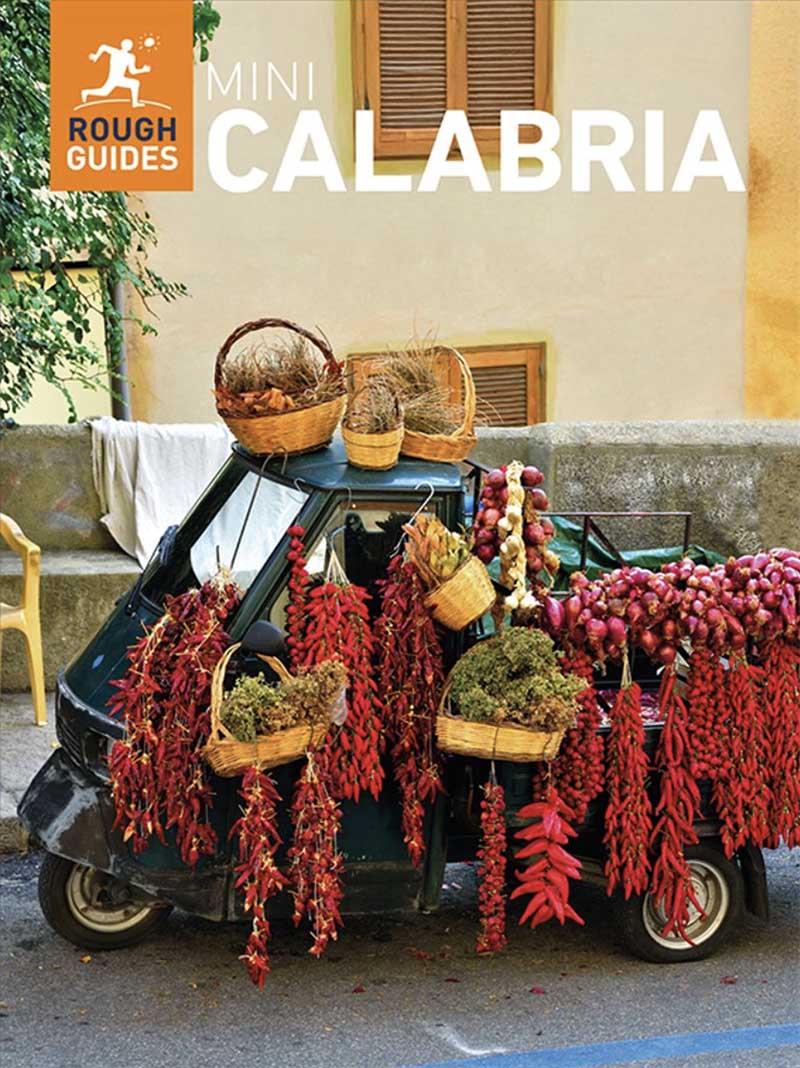
Travelling to Calabria? Get the all-new Mini Rough Guide to Calabria 30% off with the coupon code AUTHOR0040.

At the station at seaside Catanzaro Lido, just under the arch of Calabria’s booted foot, the train didn’t move. I counted the minutes. As my window of time (once again just passing through Calabria) was narrow, the delay would be costly: I’d miss my bus connection from Monasterace Marina, down the Costa dei Gelsomini, the same bus that I’d hoped would then whisk me up the slopes of the Serre Calabresi to the town of Stilo, home to the glorious ‘Cattolica’: perhaps Calabria’s greatest Byzantine-era treasure. 

It had eluded me before. 

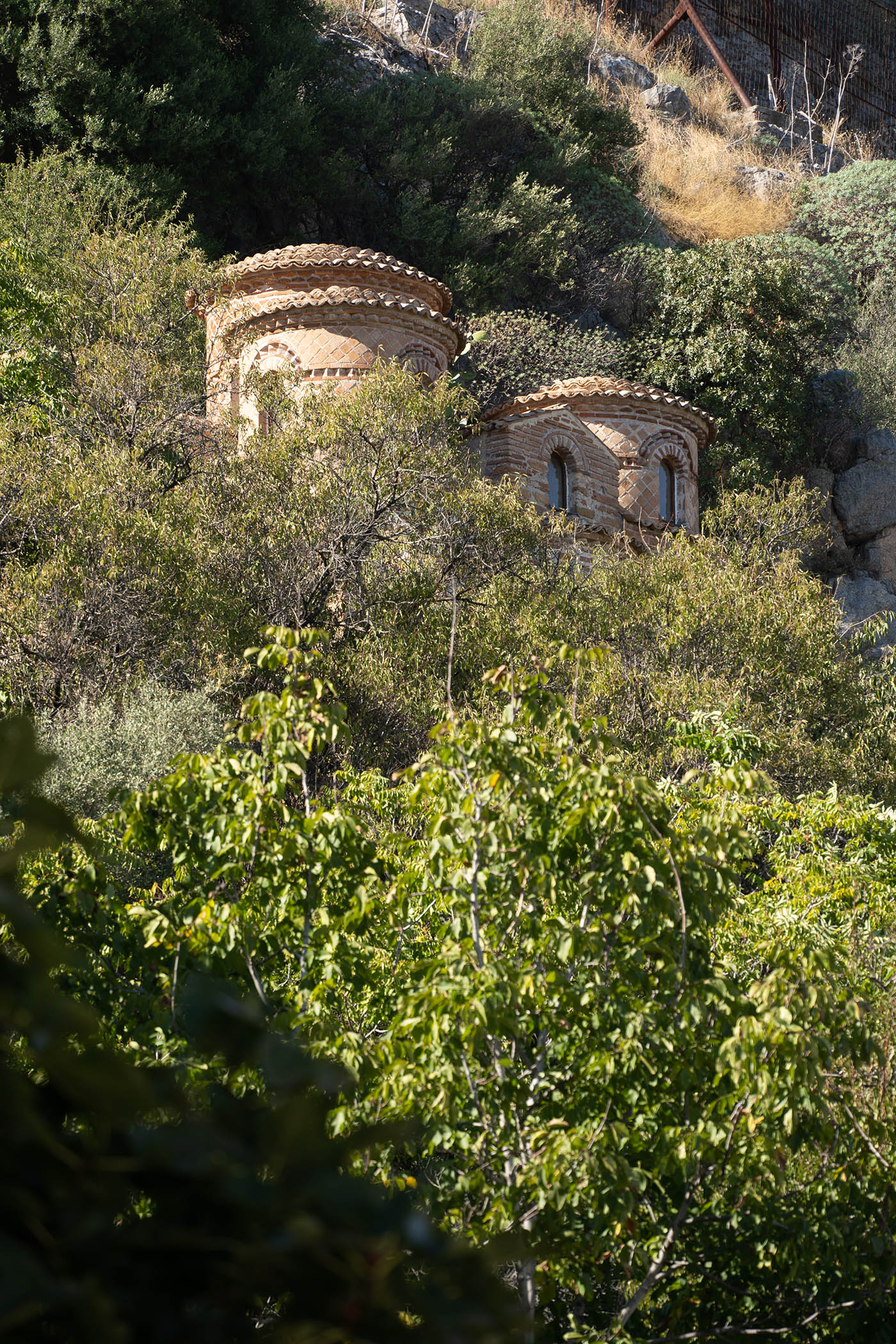
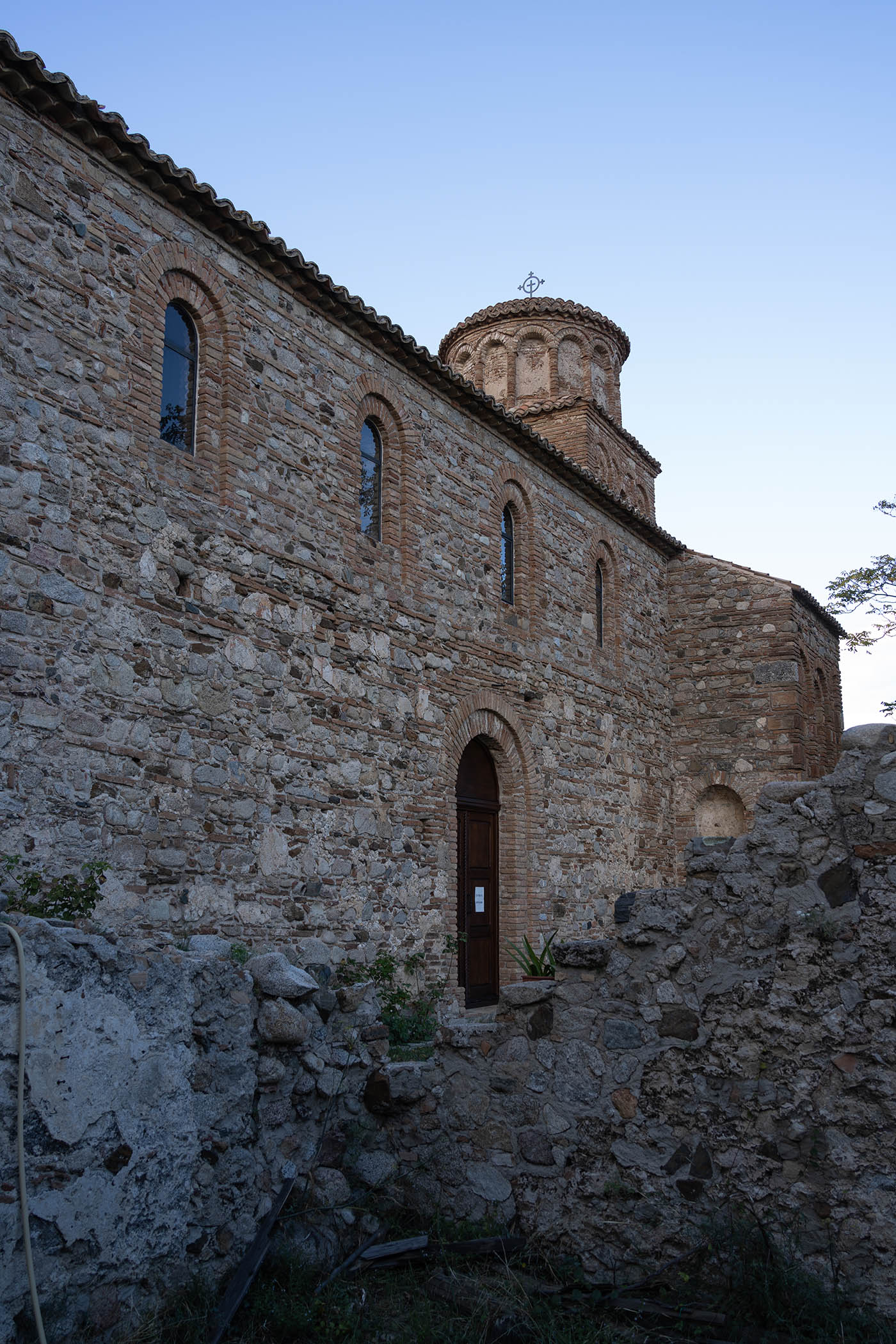
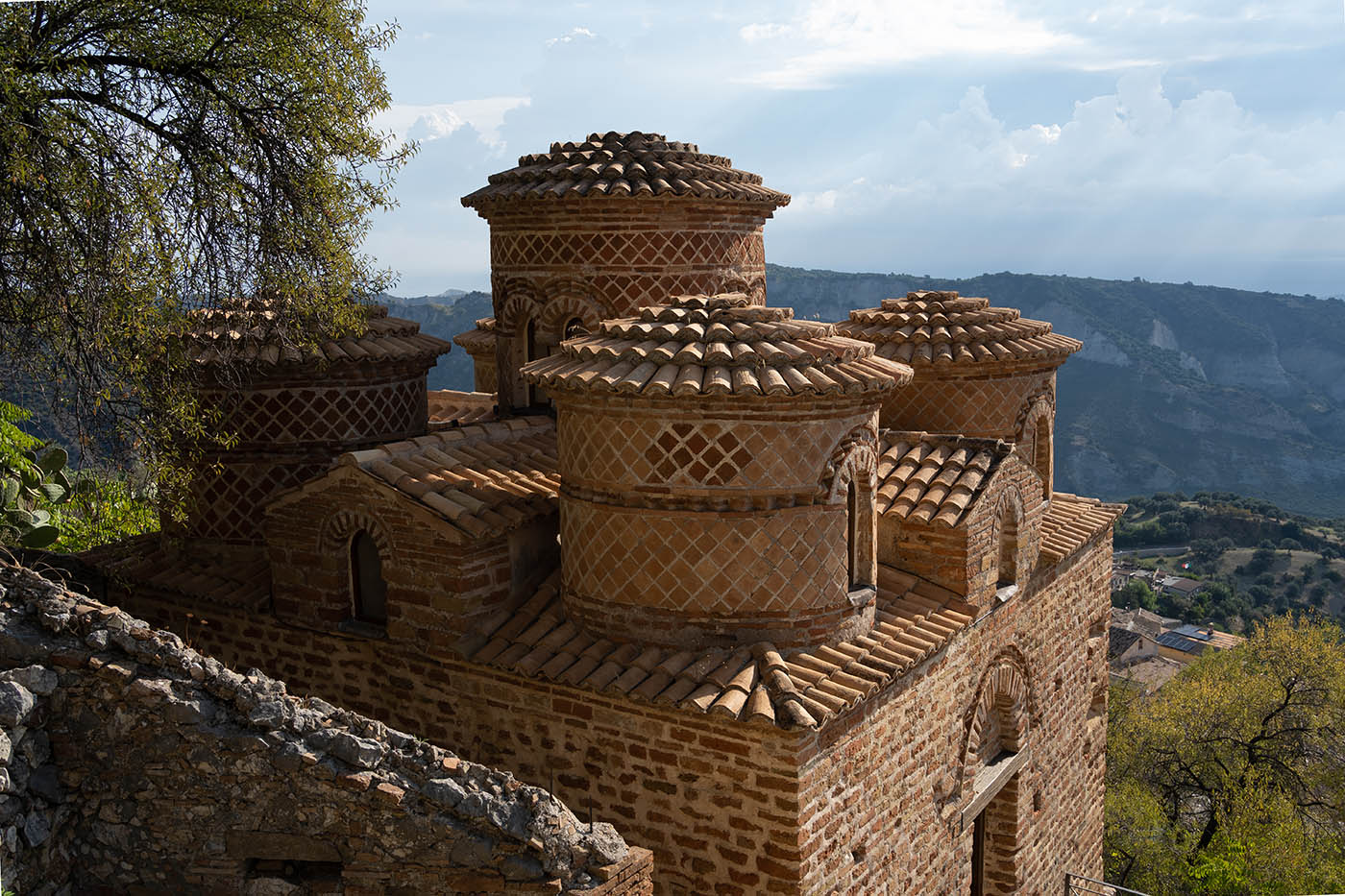
A year earlier, on a sprint through Italy’s boot-within-a-boot to research for the Rough Guide Mini Calabria, I’d arrived with unfiltered glee at the entrance to the early medieval church (9th-10th century), perched on a bench overlooking the town, a natural amphitheater with spectacular views over the Stilaro Valley, snaking into the shimmer of the Ionian Sea near the low-lying ruins of ancient Kaulonia. Up ahead, I could make out La Cattolica’s huddle of domes with their fluted, terracotta tiles. 

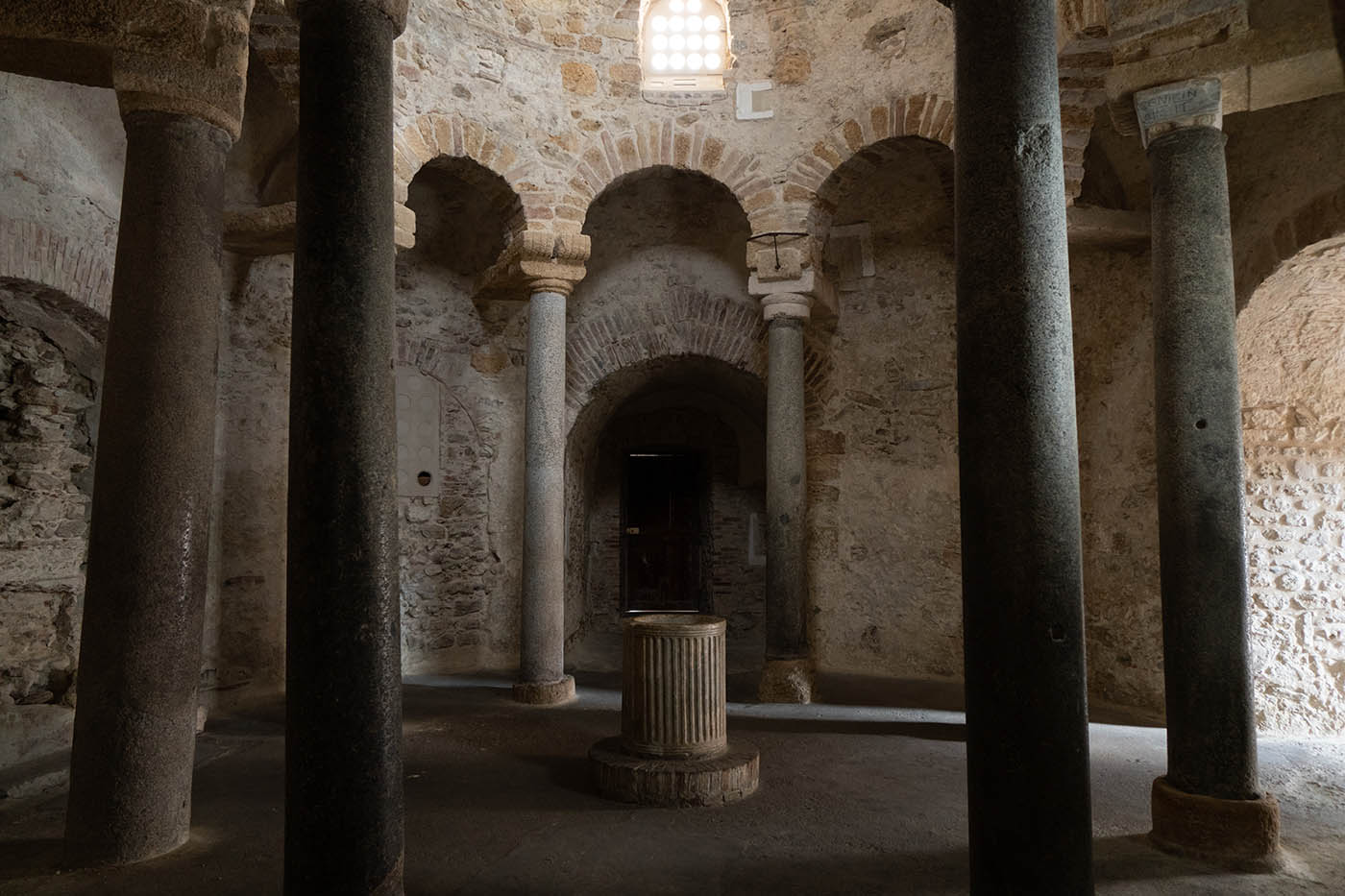
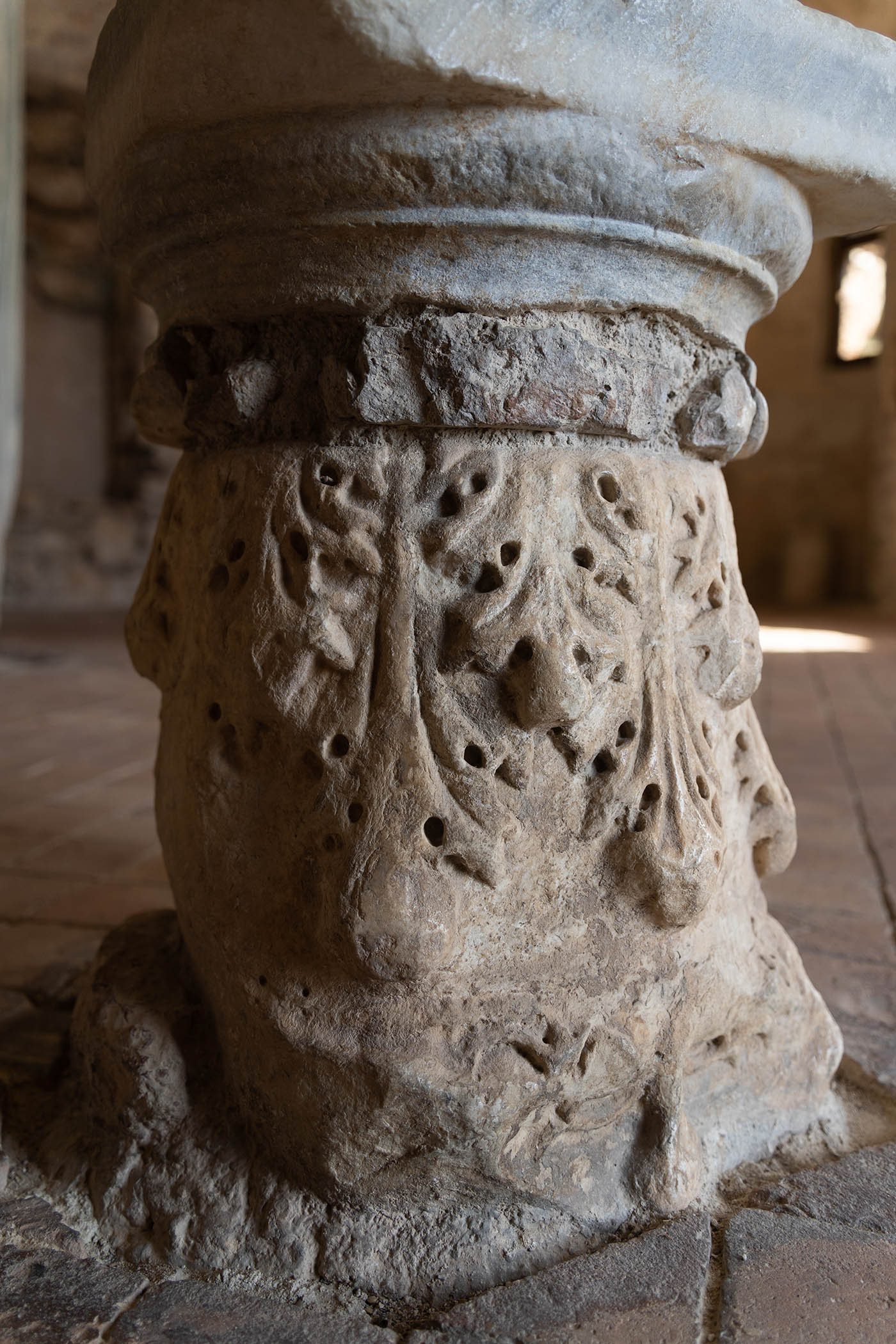
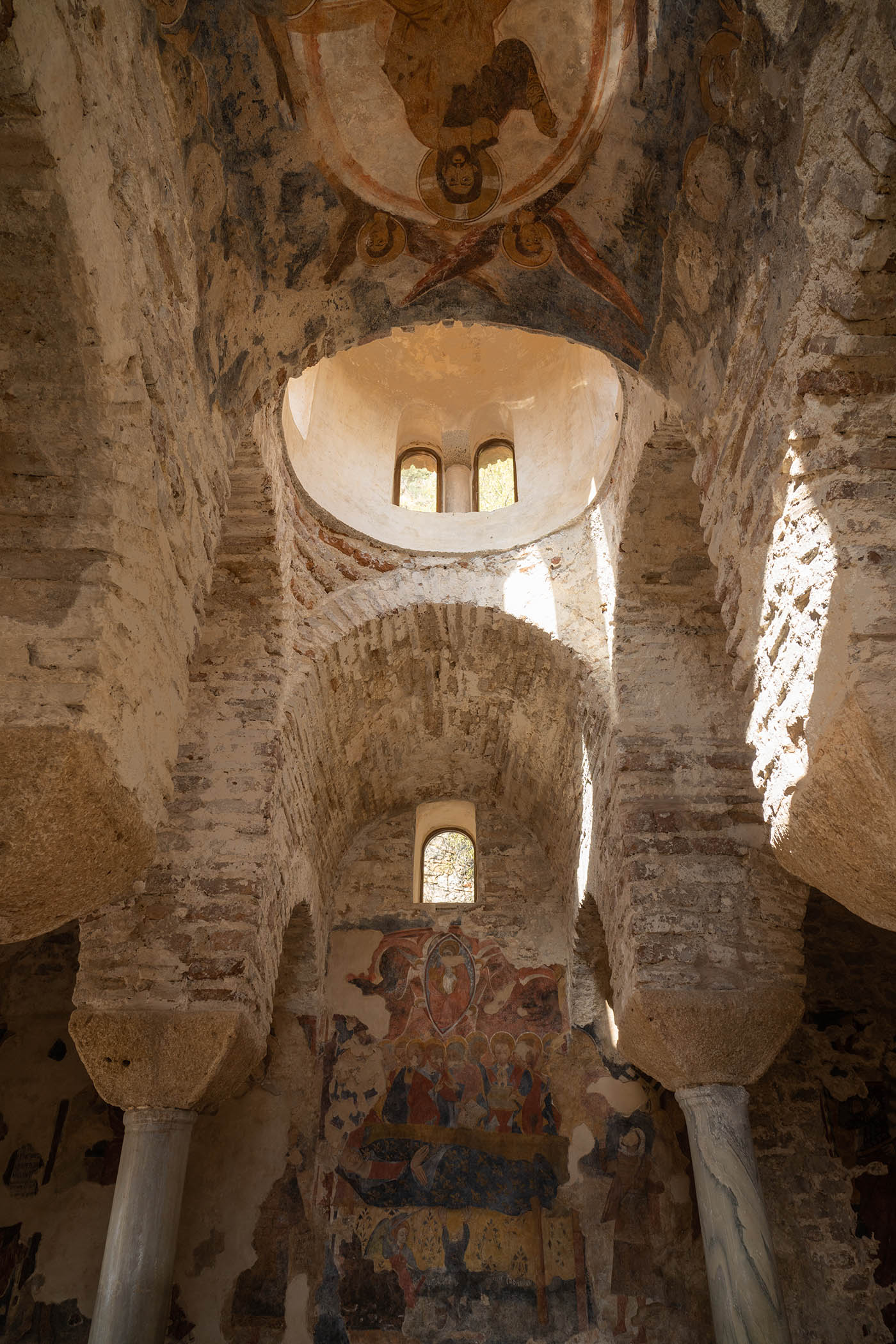
But it’s what’s inside its Greek-cross interior that sets La Cattolica apart: spolia columns sourced from the coast and some of Calabria’s most evocative Byzantine-era frescoes. 

The gate, alas, was locked; closed for repairs, as a helpful sign made clear. 

I’d have to return.

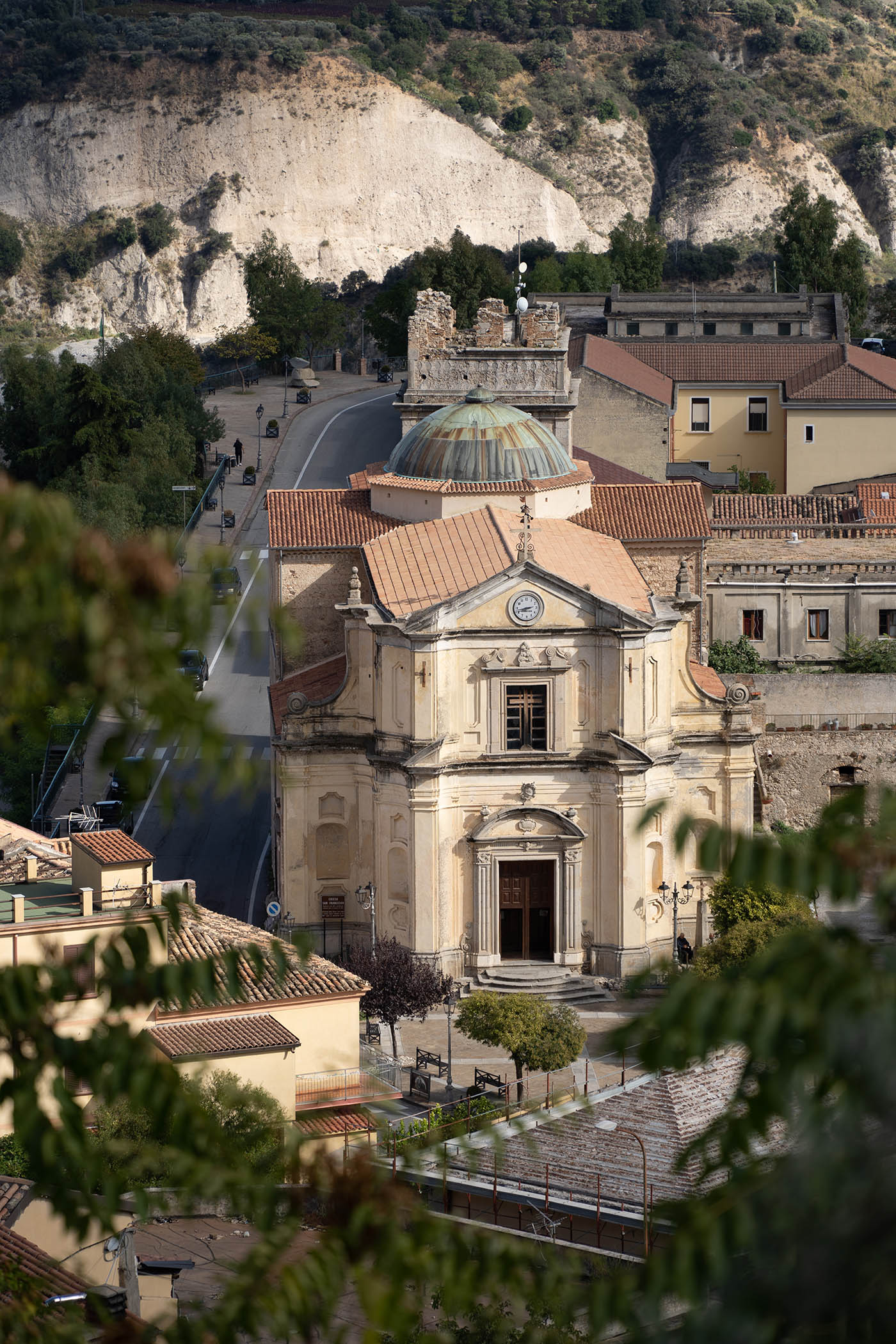
Baroque church in the centre of Stilo, Calabria
Spying La Cattolica through the trees; the closest I could get to the church in 2025
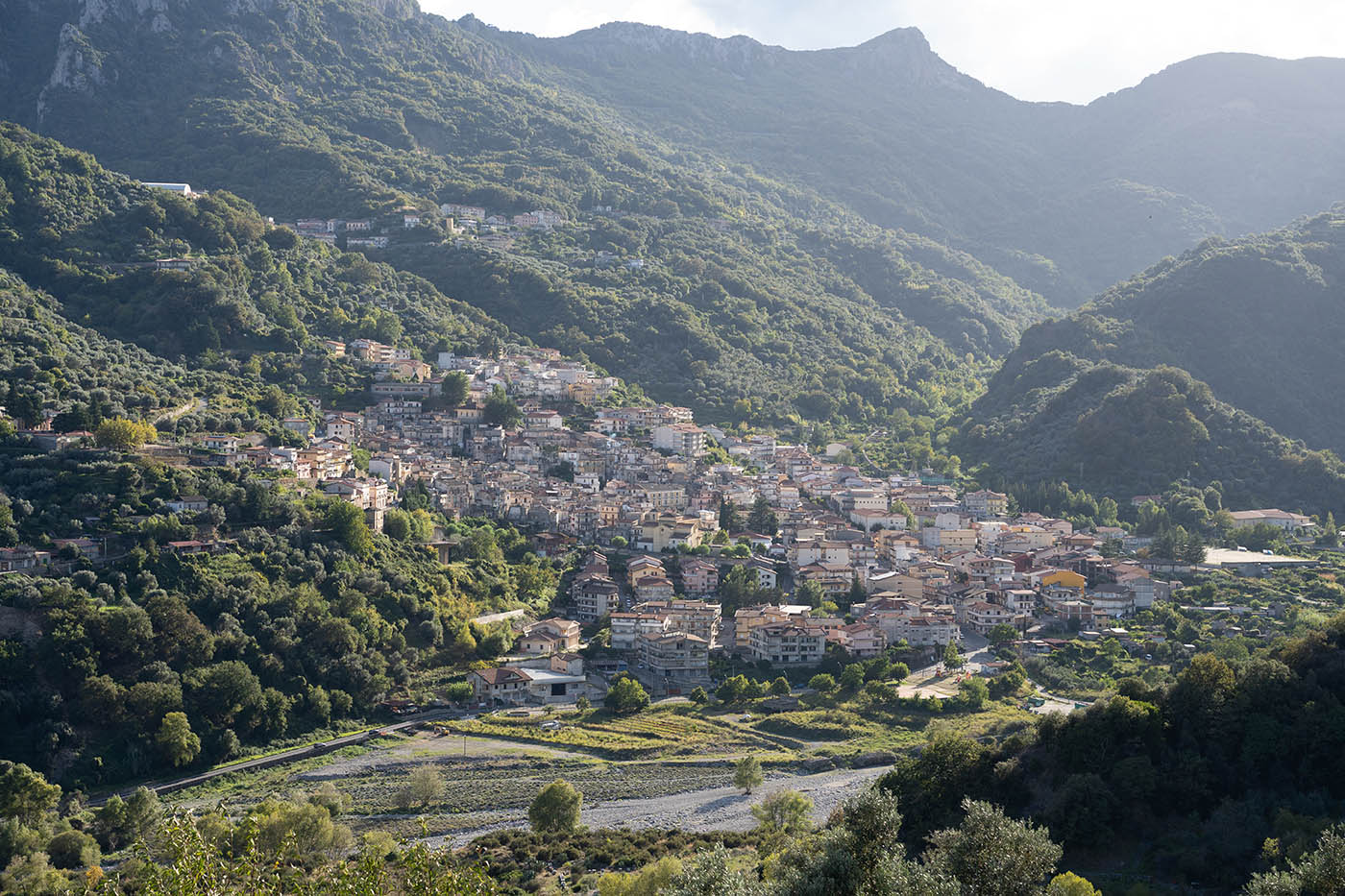
Bivongi and the Stilaro Valley, Calabria

Rock-cut caves and monasteries of the Stilaro Valley

For the time being, I consoled myself by descending a medieval path into Stilo proper, passing stately if crumbling villas for sale and popping into the Gothic duomo at its core. 

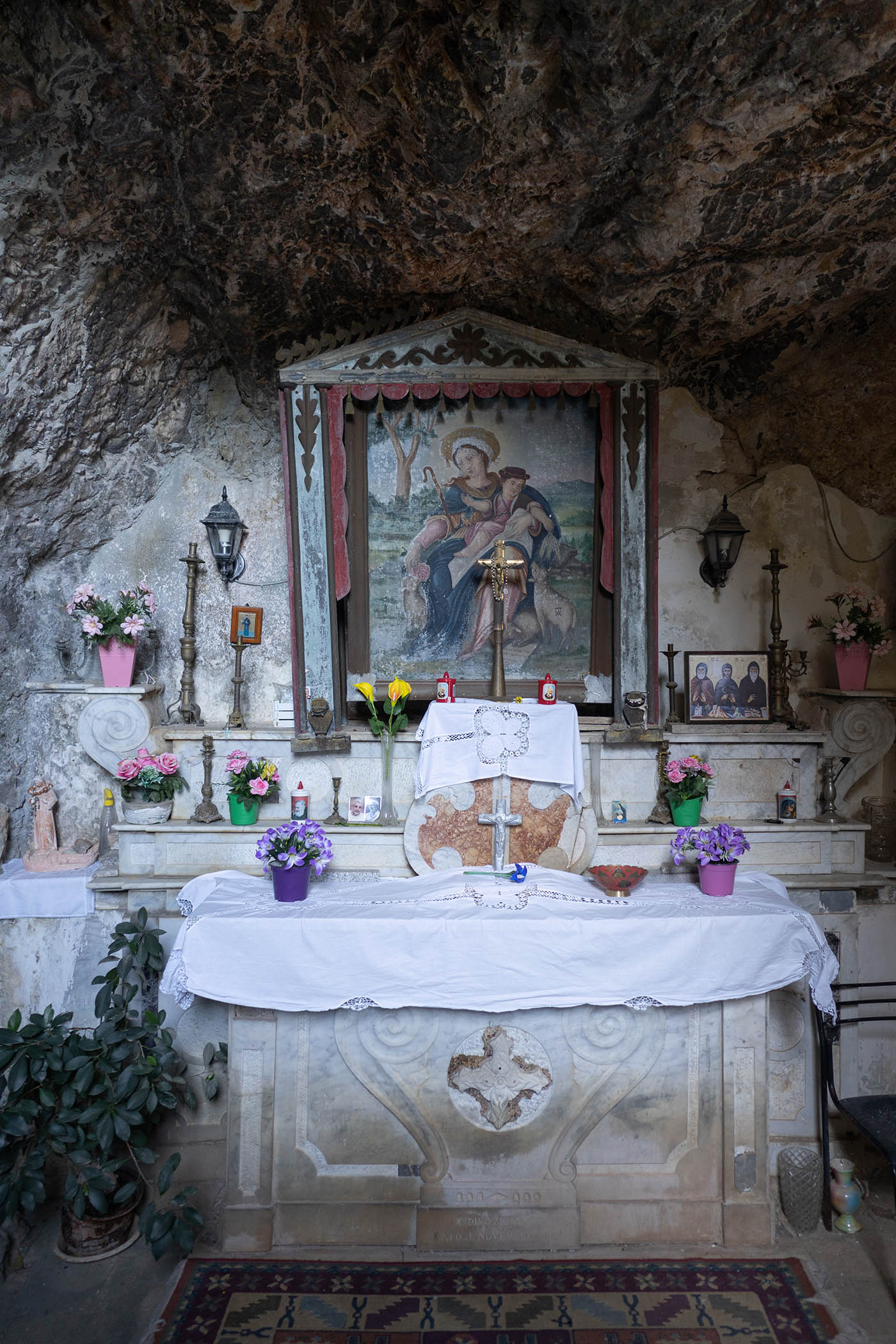
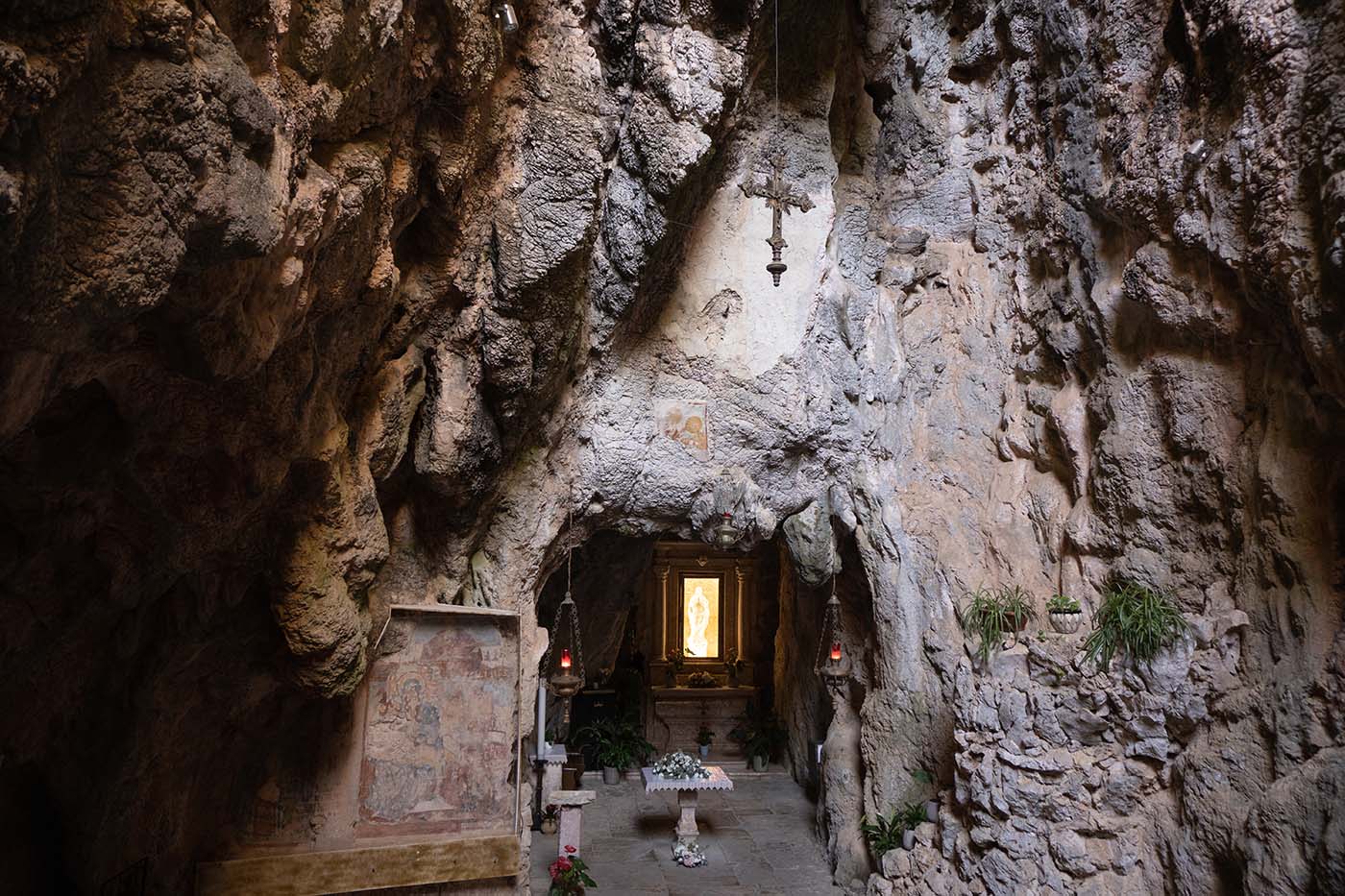
From the north end of town, a path hugs the cliffs of Mount Consolino. A few minutes along, I’d arrived at one of Stilo’s dozen or so laure – rock-cut caves and loosely linked hermitage clusters for Italo-Greek monks who arrived as early as the 7th century. This laura is known as the Grotta della Madonna della Pastorella, now enclosed in a small church. It remains in obvious use, though not at the time of my passing, when I had the hermitage — and the whole mountainside — all to myself. 

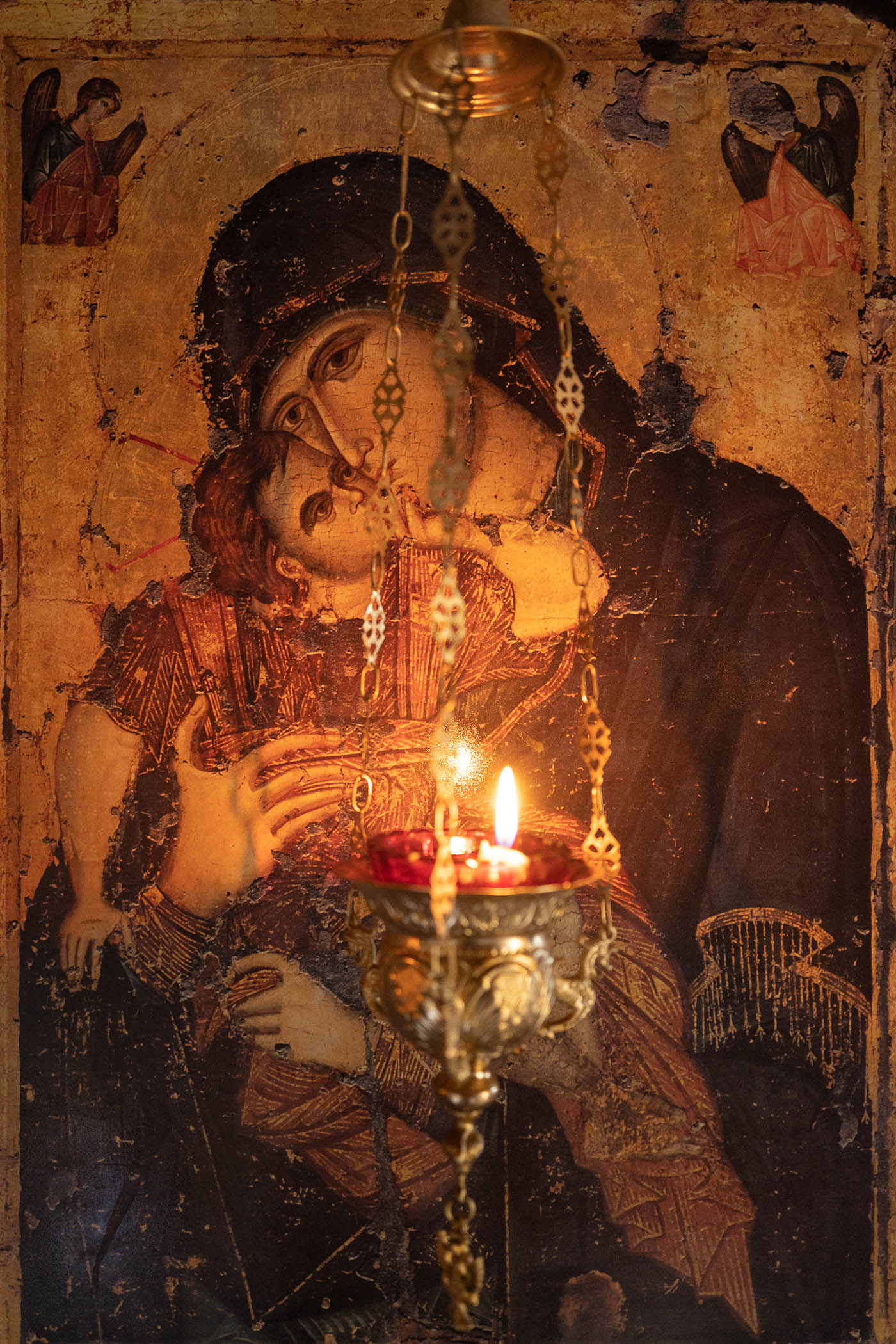
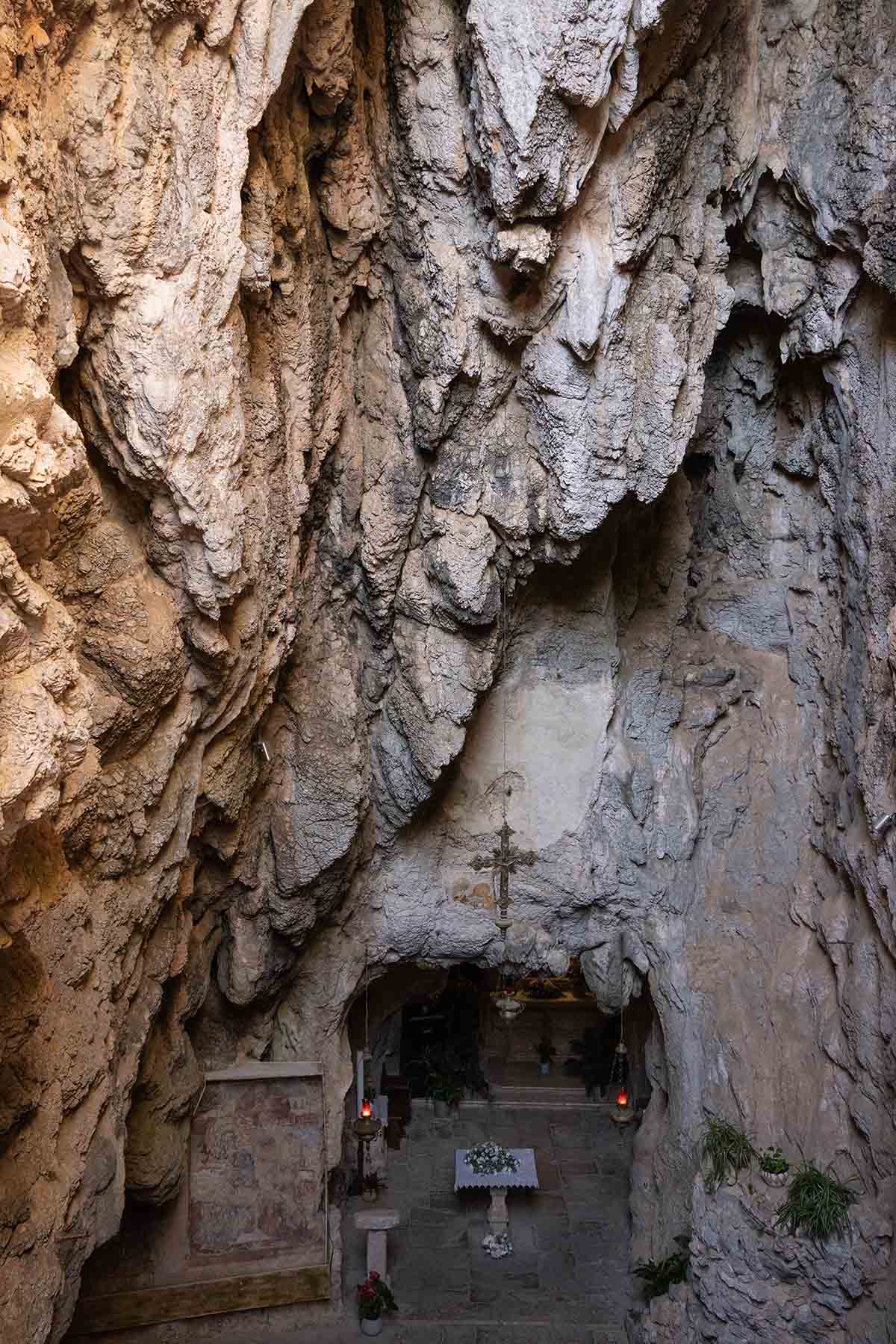
Wrapping back along the trail, a few minutes’ drive west via the precipitously placed town of Pazzano, I climbed the adjacent Monte Stella to reach another evocative laura, a now-Marian sanctuary set within a much deeper cave: The Sanctuary of the Madonna della Stella. Entering through the coin-operated turnstile, I descended in total silence the 62 steps into the cavity puncturing the mountain, not another human in sight. At its base, a pair of Byzantine frescoes stand out, including a battered Saint Mary of Egypt. 

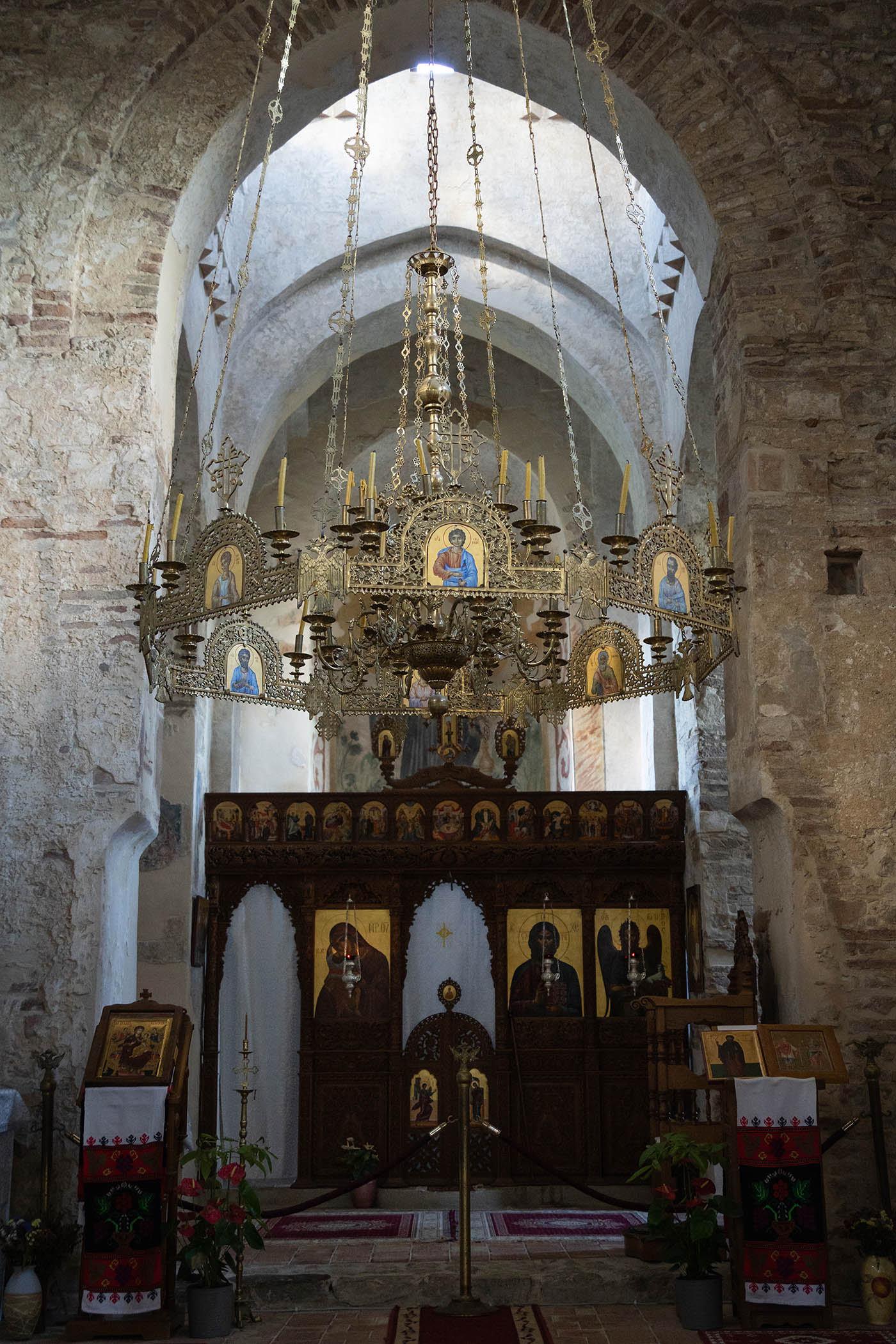
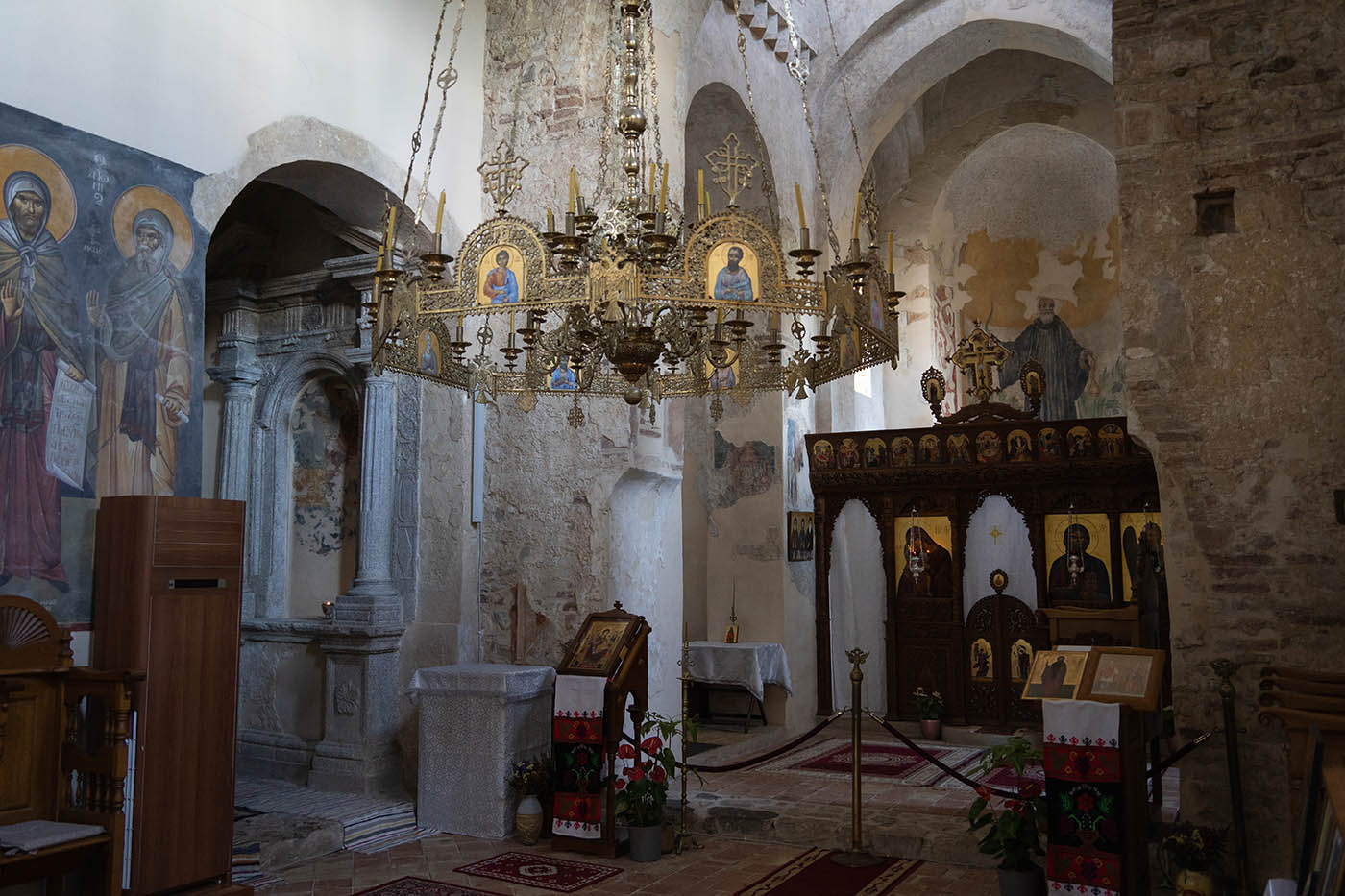
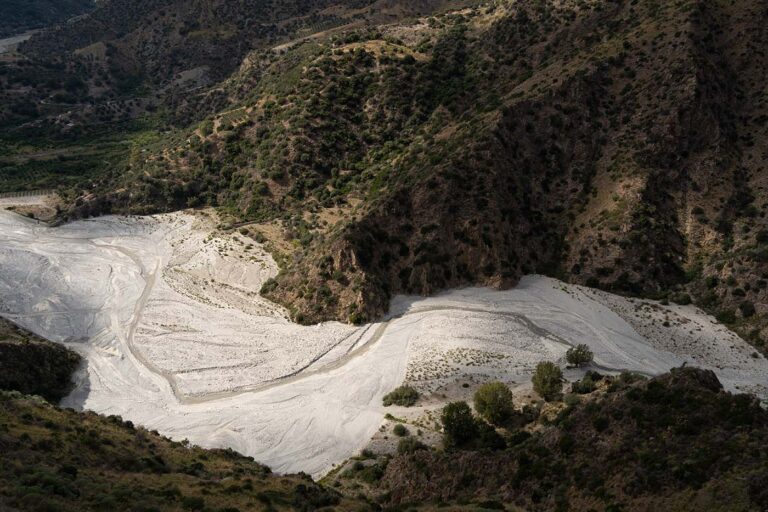
The originally Basilian monastic clusters were speckled up and down the valley and across both sides of the fiumara (gravelly riverbed of a seasonal torrent). Opposite the town of Bivongi and up a narrow road through olive groves lies the area’s erstwhile principal monastery, named for San Giovanni Theristìs, an 11th-century escapee from Sicily, where his mother had been enslaved by Saracens. Known for his miracles, he is said to have miraculously speed-reaped a field of wheat in the face of an imminent storm to spare its yield (and the locals from certain starvation).  Among other recipients of the miracles of Saint John “The Harvester” was Count Roger I, conquerer of Muslim-ruled Sicily. His son, the illustrious Roger II, then helped to build the monastery here, blending Byzantine and Norman styles. Restored after centuries of neglect, it’s today looked after by Romanian Orthodox monks. Inside, beneath its pringle-tiled dome, held up by a ring of blind arches, I spotted John among the patchy but impressive spread of weathered frescoes – wielding a sickle. 

Grotta della Madonna della Pastorella, Stilo
Monastery of San Giovanni Theristìs
Santuario di Monte Stella, Calabria

Rise and Fall of Byzantine Calabria

Long before Stilo existed, the coast was dominated by the Greeks’ thriving colony of Kaulon, founded around the seventh century BC just north of modern Monasterace. Sackings in 4th century BC (by Syracusans) and in the 2nd (by Rome – for the sin of siding with Carthage) overlapped its slow decline. Strabo reported it completely deserted just a century later. As across much of Calabria, its coastline for ensuing centuries was only sparsely settled, with a smattering of farms and Roman villas (some, like the Villa of Casignana, recently uncovered). Further abandonment of the increasingly malarial shoreline in favor of safer, upland settlements came with the chaos of the Gothic Wars (535–554), when territory was wrested back and forth between Ostrogothic and Byzantine sontrol. The region would continue to be terrorized by murderous raids, but for about 500 years from Belisarius’ campaign, Calabria would remain, more or less, under the aegis of Constantinople. 

From the early medieval period—and especially between the 9th and 11th centuries—the rugged terrain around Stilo drew throngs of Basilian monks. They set up camp in its caves, building monasteries to support the Basilian lifestyle, a blend of communal life and stripped-down solitude. Many, like John, had fled Arab rule in Sicily, while others came from Egypt, Syria or Asia Minor. 

In the late 10th century, Abu’l Qasim of the Kalbid Emirate of Sicily halted his own ransackings of Calabria to forge a temporary and informal, enemy-of-my-enemy alignment with the Greeks. In this effort, his Arab force blocked the Latin-German southward advance, effectively securing an extension of Byzantine rule in Calabria. Abu’l Qasim was killed in this misnamed ‘Battle of Stilo’ (which occurred well up the coast), and his successors promptly resumed their raids. But Stilo’s importance grew as a Byzantine bastion. 

Well after the subsequent raids of Normans led to the Norman conquest, drawing Calabria at large into the Latin West, the Stilaro Valley held out as a pocket of Byzantine culture and faith. Greek religious institutions declined under Norman and later Latin rule, but the Greek rite survived in these parts until the 16th century, when the force of the Counter-Reformation at last imposed uniformity under the Latin rite. 

Elsewhere, Byzantine culture also clung on in centers like Rossano and Gerace, but perhaps most stubbornly in Bovesia, at the far southern edge of the Aspromonte, where a Greek-speaking tradition survives—precariously—to this day.

For most, however, none of Calabria’s Byzantine-era glories rival Stilo’s tiny church.
Chapel of the Panaghìa in the village of Gallicianò, Bovesia, Calabria
Monastery of San Giovanni Theristìs, near Bivongi, Calabria
Byszantine-era baptistery of Santa Severina, Santa Severina, a military stronghold where the Greek rite held out until the 13th century
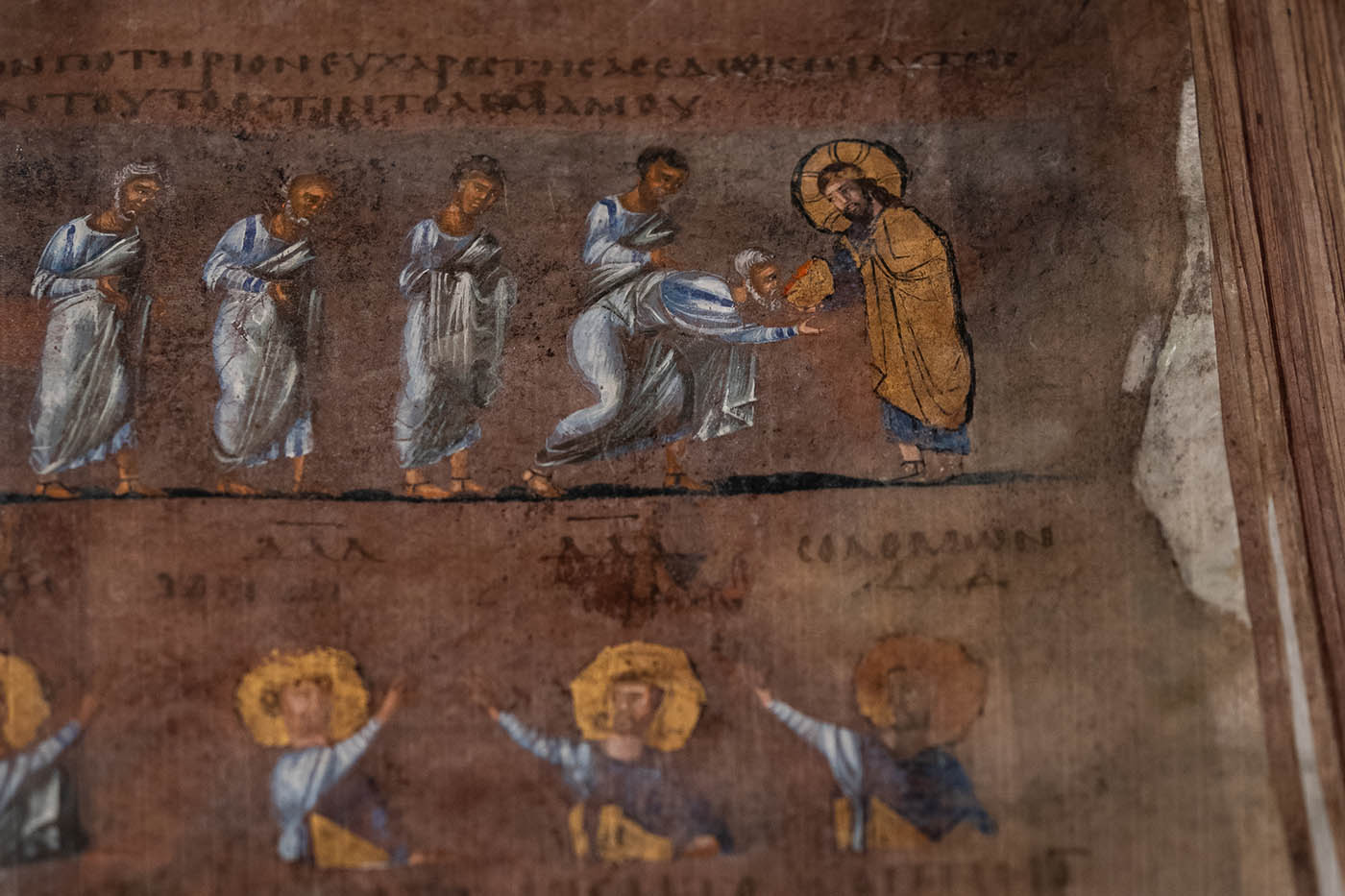
Codex Purpureus Rossanensis (purple codex): a 6th-century illuminated manuscript of the Gospels of Matthew and Mark, preserved in the Byzantine scholarly hub of Rossano

Return to Stilo

I was the only one off the train in sleepy Monasterace Marina, where I booked it for the bus stop nearby, scanning the weathered timetable then admitting at last that I’d missed my ride. I’d have to shell out. The man in the kiosk nearby gave a nod, then slipped me a slick-looking card with the name “Armando”, and as I turned to call the number on the back I watched as my bus zipped by. 

Waiting for Armando, I grabbed a pistachio occhio di bue at the bar, then minutes later the two of us were winding westward toward Stilo, some 15km up the torrent-cut valley. 

A proud Calabrian through and through, the old man told me about his macelleria in Torino, where he’d stayed for decades as an exile up north. But now he was back and pleased to be back to life. I enjoyed his rambling about the layers of history and natural ‘poetry’ of the place, encouraging me, despite my extremely tight schedule, to climb to the Norman-Swabian Castle atop Mount Consolino (now partially restored). In Stilo, he insisted on a coffee beside the opulent church at the town’s central square, chatting up the barista, somewhat older but still decades his junior, repeating his line about poetry. She smiled politely as he told her with a big grin that ‘age is how you feel.’ 

Outside, a statue graces the pretty piazza, of the most famous native son of Stilo: the Dominican friar-philosopher Tommaso Campanella. During his twenty-seven years in a Neapolitan prison (accused of plotting a rebellion against Spanish rule, as well as heresy charges), he wrote The City of the Sun, which likely drew on the densely religious world of his town of birth.

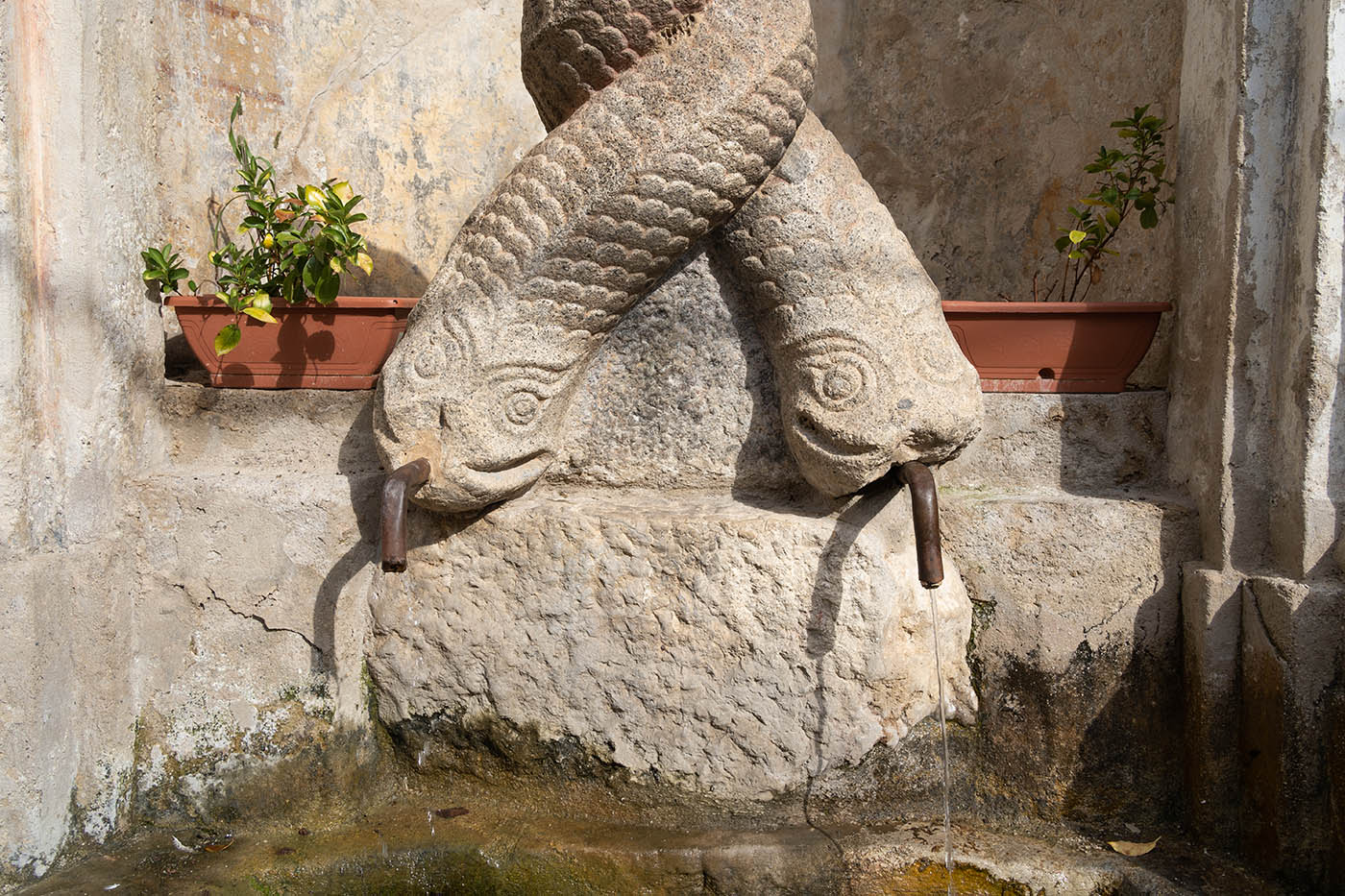
Fontana dei Delfini, its intertwined dolphins said to represent the brief alliance between Byzantines and Arabs
Exterior of La Cattolica di Stilo, Calabria
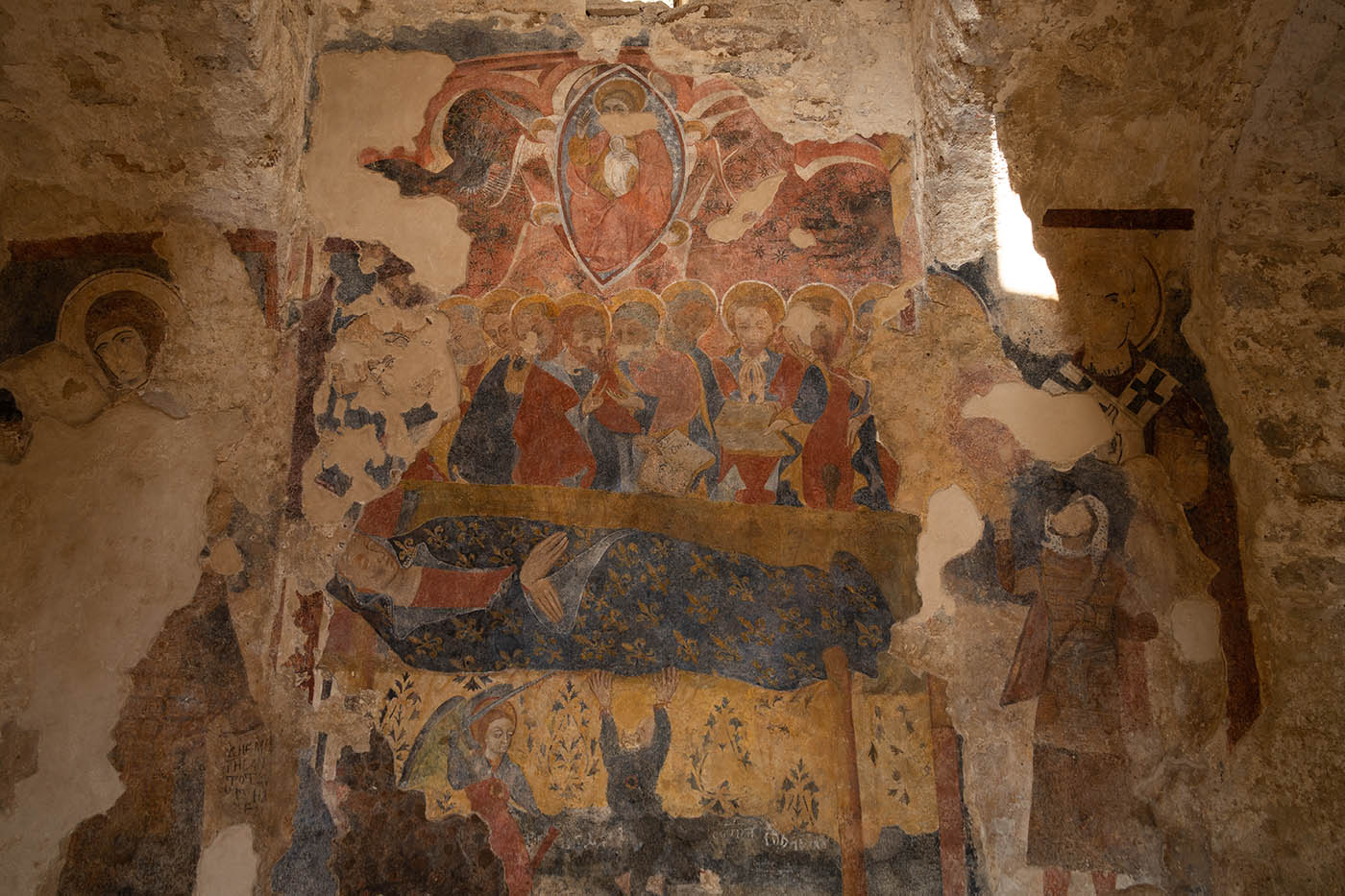
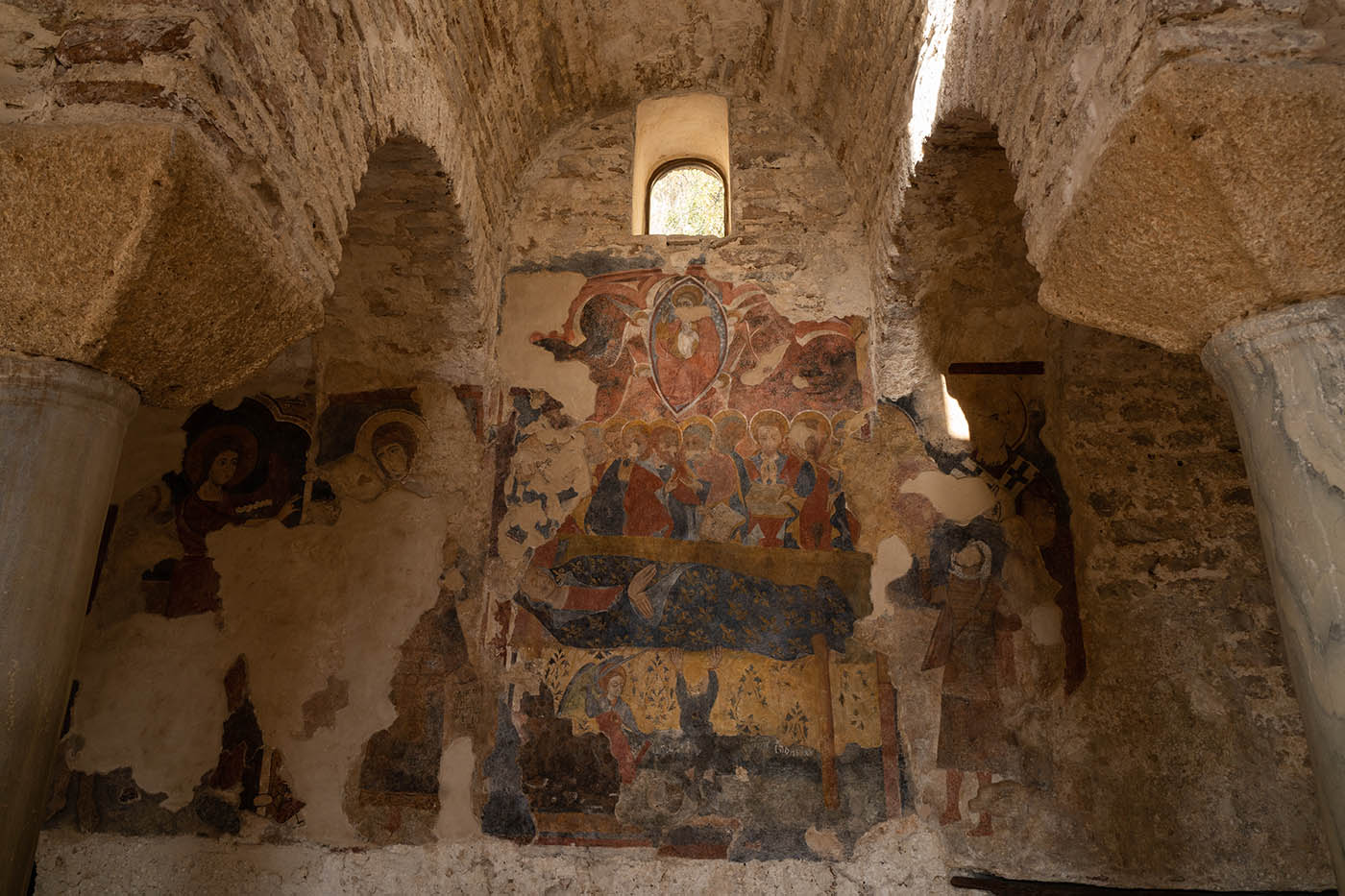
Frescoes inside the Cattolica di Stilo, Calabria

Into La Cattolica 

Armando left me back at the natural bench over Stilo. A signposted path from here climbs up to the castle, but I carried on north toward the church, where the gate was wide open. A minute later, I stood at the viewpoint of the church from which M.C. Escher sat for his sketch. It seemed to make sense how the sight would inspired him to ramp up the drama to eleven: replacing the town behind the church completely, skipping to a sudden chasm descending to the fiumara. 

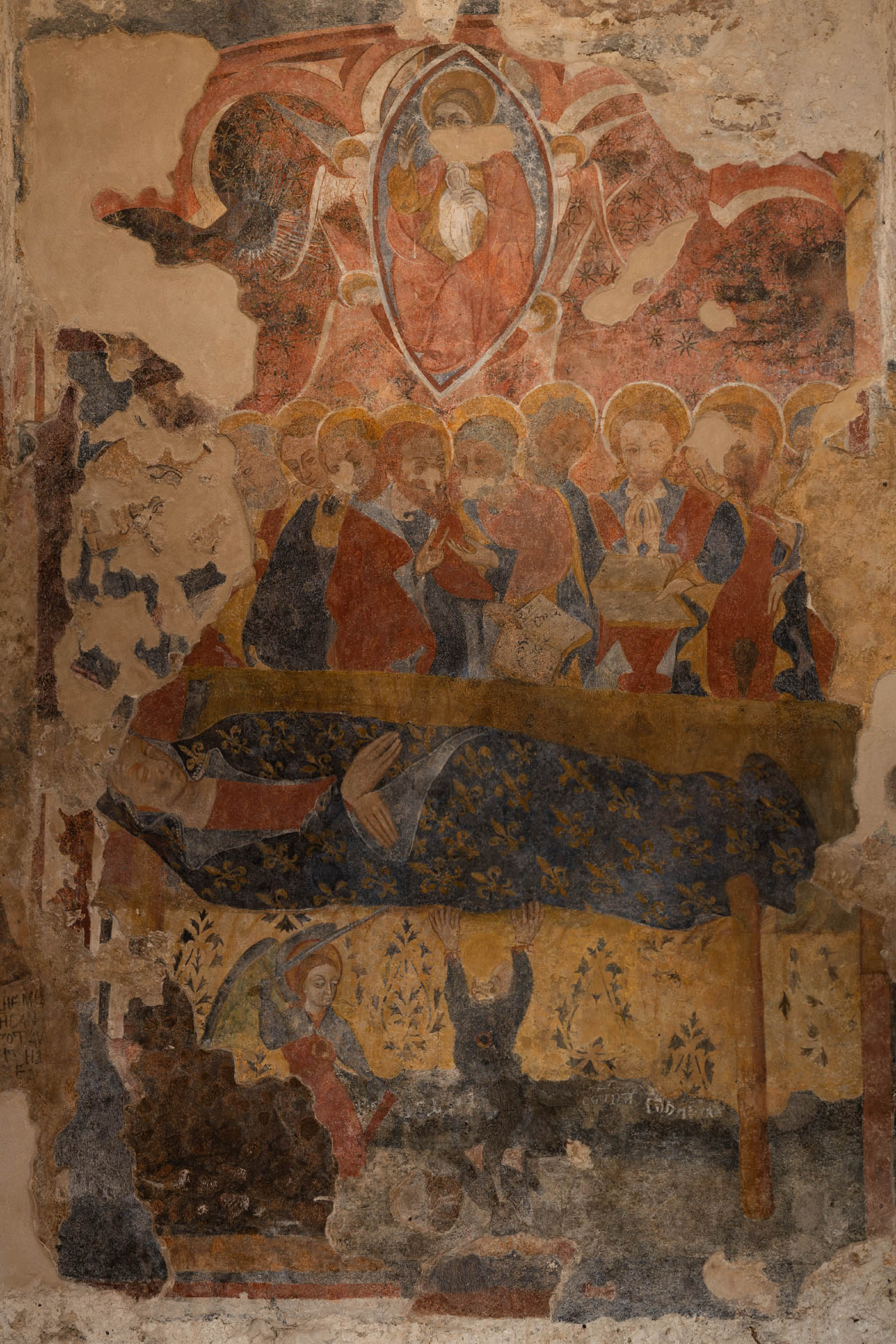
Stepping into the diminutive church, I instantly hopped on board with the consensus: it’s Calabria’s Byzantine gem. A young attendant looked on as I stumbled around the mismatched columns in the cross-in-square space, my gaze fixed high on the walls and ceilings, decked with smatterings of frescoes: Christ Pantocrator straight above, to the left a heretic being slain beneath an elaborate Dormition of the Virgin. 

I asked the attendant’s help pointing out the Arabic etchings, apparently easy to miss: crudely scratched onto the column to the left, nearest the entrance: the names of God below, Muhammad (perhaps) above. Whether these scratches are evidence of a period, however brief, when La Cattolica served as a mosque, or simply of the presence of Muslim visitors, remains rather fittingly uncertain, a tiny record of Calabria’s overlapping of medieval worlds.

Rushing back from La Cattolica’s bench to catch the last bus to the coast (departing exactly on schedule), I was very much pleased to have returned and made it inside. The return was entirely worthwhile.  

Columns of La Cattolica
Frescoes inside the Cattolica di Stilo, Calabria
The Dormition, La Cattolica di Stilo
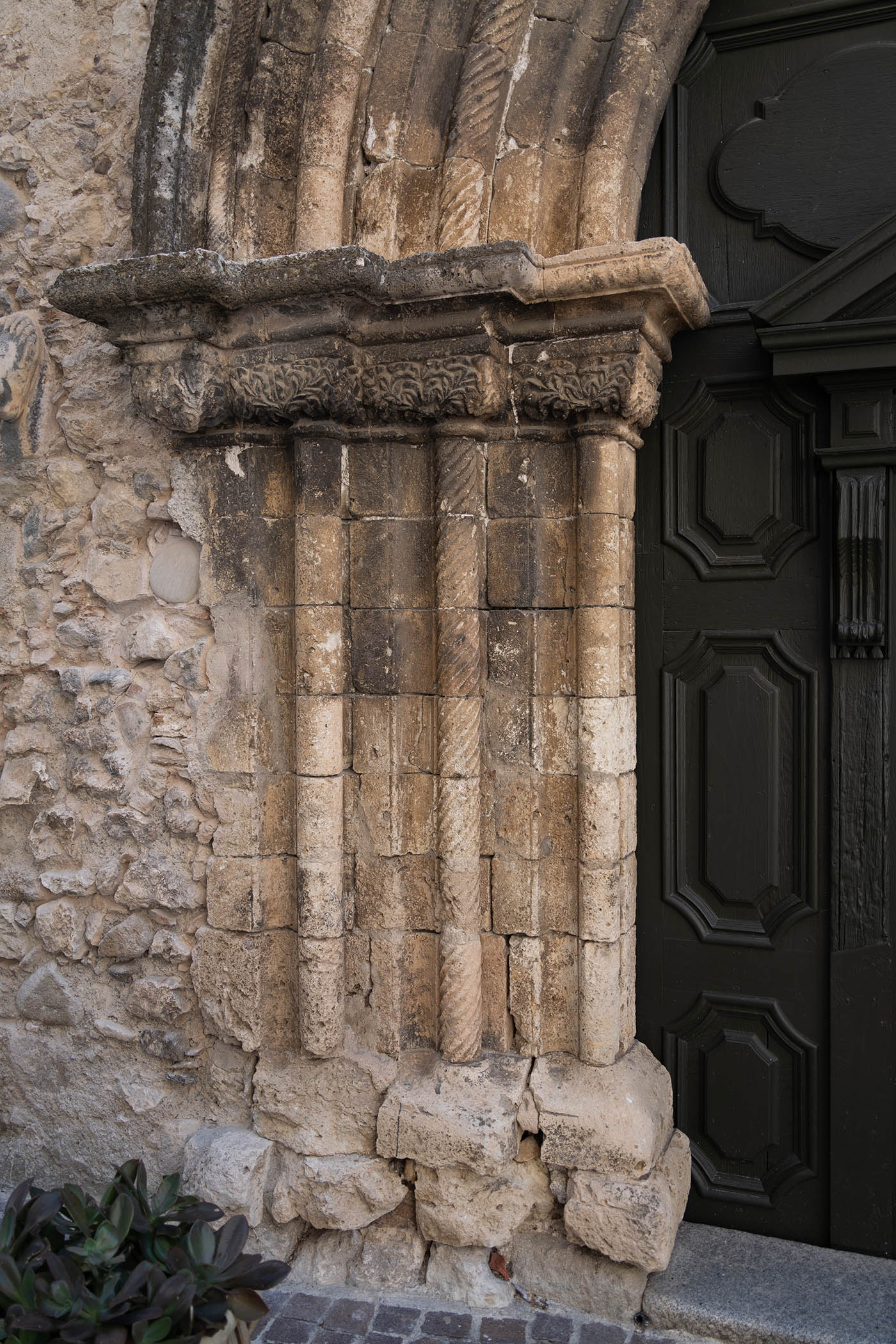
Portal to Stilo's Duomo
Santuario di Monte Stella, near Bivongi, Calabria – Rough Guide to Calabria
Santuario di Monte Stella, Calabria
Monastery of San Giovanni Theristìs, near Bivongi, Calabria

spread the word!

Found this worthwhile? Know someone else who might? Share via the buttons below!

Facebook
Reddit
LinkedIn
Email
WhatsApp
Threads
X

support the blog

You can support this blog by buying me a digital coffee, ordering an art print or a copy of the brand-new Mini Rough Guide to Calabria (2026) at 30% off: Enter the coupon code AUTHOR0040 at check-out. Thanks!

traveling soon?

Planning a trip? Every completed booking via the links below will throw me a small affiliate commission—at no added cost to yourself. Thank you for your support! 

read more entries

support the blog

You can support this blog by buying me a digital coffee, ordering an art print or a copy of the brand-new Mini Rough Guide to Calabria (2026) at 30% off: Enter the coupon code AUTHOR0040 at check-out. Thanks!

Mini Rough Guide to Calabria
Mini Rough Guide to Calabria (2026)

traveling soon?

Planning a trip? Every completed booking via the links below will throw me a small affiliate commission—at no added cost to yourself. Thank you for your support! 

Stay tuned to my latest entries from the road.

Comment? Correction? Collaboration? All inquiries welcome using the form below.